









Introduction to Sports Broadcasting
In today’s fast-paced world, Sports Broadcasting serves as a vital medium for connecting fans with the sports they love. Through various platforms, audiences can stay updated with live action, in-depth commentary, and analysis of their favorite games. This article delves into the intricacies of Sports Broadcasting, shedding light on its importance, evolution, and the current trends shaping how we experience sports.
What is Sports Broadcasting?
Sports Broadcasting is the dissemination of sporting events through various media formats, including television, radio, and online streaming platforms. It encompasses live coverage of games, detailed analysis, interviews with athletes and coaches, and interactive features that enhance viewer engagement. The primary goal is to present sports content to fans in real-time, allowing them to experience the thrill of the game from the comfort of their homes or on the go.
The Importance of Sports Broadcasting
Sports Broadcasting holds immense significance in the sports ecosystem. It is not just about airing games; it plays a crucial role in promoting sports, enhancing fan engagement, and driving economic growth. Properly executed broadcasts can elevate the profile of less popular sports, bringing them to a wider audience. Moreover, the revenue generated from advertisements and sponsorship deals during broadcasts contributes significantly to the financial stability of sports organizations.
History and Evolution of Sports Broadcasting
The origins of Sports Broadcasting date back to the early 20th century with live radio broadcasts of sporting events. This tradition expanded in the 1950s with the introduction of television, revolutionizing how audiences consumed sports. Over decades, advancements in technology have enabled high-definition live broadcasts, instant replays, and multi-camera angles, continuously improving the viewing experience. Today, the rise of digital media has further transformed Sports Broadcasting, making content accessible on multiple platforms, including mobile devices, perfectly aligning with the modern audience’s preferences.
Key Components of Sports Broadcasting
Broadcasting Technology: Tools of the Trade
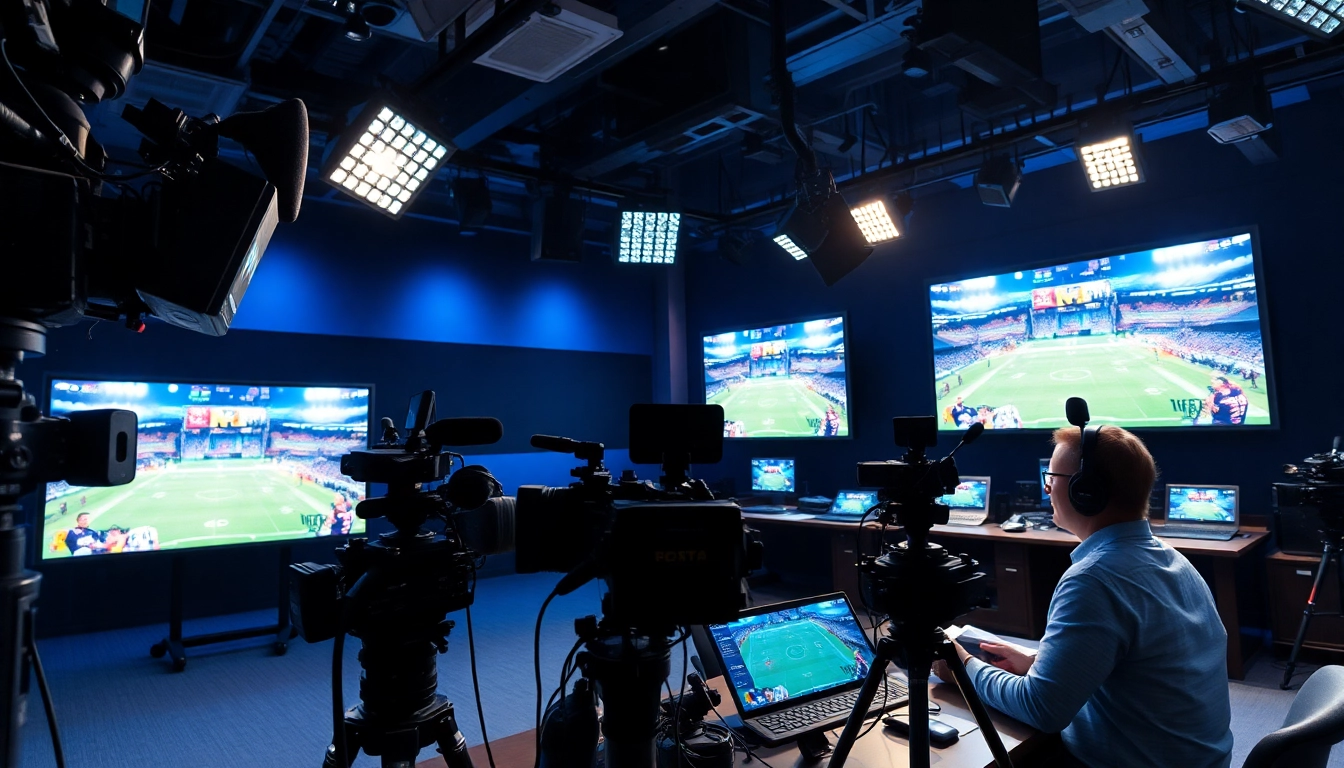
The technological backbone of Sports Broadcasting includes cameras, audio equipment, and graphics software. High-definition cameras and drone footage capture every moment of the action, while advanced audio systems provide crystal-clear commentary. Graphics and data overlays enhance viewer comprehension, showcasing statistics and crucial information during broadcasts. Furthermore, live streaming platforms require robust internet infrastructure to ensure seamless viewing experiences with minimal buffering.
Role of Commentators in Sports Broadcasting
Commentators serve as the voice of the game, providing viewers with critical insights, context, and lively narratives that accompany the sporting action. Their expertise often shapes the audience’s understanding and enjoyment of the game. By engaging with viewers through entertaining and informative commentary, they can elevate the overall experience of watching sports. The future of commentary includes evolving styles, where analysts utilize social media to engage with fans in real-time.
Audience Engagement Strategies
Effective audience engagement is key to successful Sports Broadcasting. Strategies vary, including interactive polls during live games, social media interaction, and tailored content based on viewer preferences. Broadcasters must adopt techniques such as gamification to encourage participation and increase viewership. Personalized content delivered through apps or platforms allows fans to curate their sports experiences, deepening their bond with the sports they love.
Current Trends in Sports Broadcasting
Impact of Streaming Services on Sports Broadcasting
The advent of streaming services has transformed the landscape of Sports Broadcasting. Viewers can now access a plethora of live events on-demand, free from the shackles of traditional cable subscriptions. Platforms prioritize flexibility, allowing audiences to purchase specific events rather than entire seasons. This shift necessitates broadcasters to innovate their content delivery methods and offer exclusive features, ensuring they meet the expectations of an increasingly discerning audience.
Interactive Broadcasting Features
Interactive features such as real-time statistics, instant replays, and augmented reality overlays enhance viewer engagement. Innovations in interactive broadcasting empower fans to choose camera angles, access player stats, and interact with fellow viewers, creating a community around the experience. Broadcasters are integrating these features into apps and websites, allowing audiences to control how they consume their favorite sports content.
The Rise of Virtual Reality in Sports
Virtual Reality (VR) is making strides in Sports Broadcasting, providing immersive experiences that traditional broadcasts cannot match. Fans can virtually “attend” games from home, experiencing the atmosphere from a different perspective. This technology offers a new level of engagement, allowing audiences to feel as though they are part of the live action. As VR technology matures and barriers to entry decrease, expect its presence in Sports Broadcasting to grow substantially.
Challenges in Sports Broadcasting
Rights Management Issues
Rights management poses a significant challenge. Managing broadcasting rights for different sports leagues is complex and contentious. Broadcasters must navigate licensing agreements with networks, leagues, and individual teams to ensure compliance and avoid legal disputes. Moreover, the fluidity of digital rights in the context of global reach adds layers of complexity, necessitating strategic planning and negotiation skills.
Technological Barriers and Solutions
Despite technological advances, broadcasters often encounter barriers such as high costs for cutting-edge equipment and the need for skilled personnel to operate it. An effective solution involves investing in training programs for staff and exploring partnerships with technology companies for shared resources. Moreover, adopting cloud-based technologies can reduce on-premises equipment expenditures while improving scalability and flexibility.
Quality Control and Viewer Expectations
As audience expectations rise, maintaining content quality has become paramount. Viewers demand high-resolution broadcasts, seamless streaming, and engaging narratives. Regular quality checks, feedback loops with audiences, and close collaboration between technology and production teams can help broadcasters meet these expectations consistently. Adopting evolving metrics for viewer satisfaction can provide insights for continual improvement.
The Future of Sports Broadcasting
Predictions for Technological Advances
The future of Sports Broadcasting is rife with possibilities driven by technological advancements. Artificial Intelligence (AI) will play an increasing role in analyzing viewer preferences, optimizing content delivery, and enhancing real-time statistics. Innovations in machine learning can tailor experiences to individual viewers, while 5G technology promises to eradicate buffering, paving the way for ultra-high-definition broadcasts and robust interactive features.
The Shift to Personalized Content
Personalization will dominate the future of Sports Broadcasting. Consumers will increasingly demand content tailored to their interests, be it specific sports, teams, or even types of highlights. Broadcasters must leverage data analytics to navigate viewer habits, enabling customized content clusters that resonate with various segments. This personalized approach will enhance viewer loyalty and engagement, ultimately translating to higher viewership numbers and revenue.
Ethical Considerations in Sports Broadcasting
As the industry evolves, ethical implications surrounding Sports Broadcasting need to be addressed. Issues such as data privacy, fair representation, and the impact of broadcasting on sporting integrity must be considered. It is crucial for broadcasters to establish clear ethical guidelines that prioritize transparency and respect for audiences. Engaging in partnership with organizations advocating for diversity and fairness will also contribute positively to the sport’s credibility.
Frequently Asked Questions
What is Sports Broadcasting?
Sports Broadcasting involves airing live or recorded sports events for audiences through various media formats, including TV, radio, and online platforms.
How has technology impacted Sports Broadcasting?
Technology greatly enhances coverage quality with advanced cameras, streaming services, and interactive features, increasing engagement and viewership.
What role do commentators play?
Commentators provide insightful analysis, engage audiences with their commentary, and enhance the viewing experience by offering background context and updates.
What are common challenges faced?
Sports Broadcasting faces challenges like rights management, fluctuating viewer expectations, and adapting to new technologies and platforms.
What trends are emerging in Sports Broadcasting?
Emerging trends include the shift to streaming services, integration of augmented and virtual reality, and the demand for more interactive viewing experiences.