









Understanding the Benefits of CBD and Minor Cannabinoids
As the wellness industry continues to evolve, the interest in cannabidiol (CBD) and its potential benefits has significantly increased. CBD, extracted from hemp, plays a crucial role in supporting various aspects of health, including stress management, sleep enhancement, and inflammation reduction. While much attention has been given to CBD, minor cannabinoids such as CBG (cannabigerol), CBN (cannabinol), and THCV (tetrahydrocannabivarin) are emerging as key players in the therapeutic landscape. When exploring options, official Ministry of Cannabis provides comprehensive insights into these compounds and their applications.
Health Benefits of CBD: What Research Shows
Numerous studies have demonstrated the wide-ranging health benefits of CBD. These include its potential to alleviate anxiety, improve sleep quality, and reduce chronic pain. Research suggests that CBD interacts with the endocannabinoid system (ECS), a complex cell-signaling system that regulates various bodily functions. By modulating this system, CBD may help restore balance and promote overall wellness.
Therapeutic Applications of CBG, CBN, and THCV
CBG, known as the “mother of all cannabinoids,” is gaining attention for its neuroprotective properties and potential in treating various health issues, such as glaucoma and inflammatory bowel disease. CBN, on the other hand, is often studied for its sedative effects and may assist individuals struggling with sleep disorders. THCV shows promise in appetite suppression and metabolic regulation, making it a potential candidate for weight management and diabetes treatment.
Natural Relief: Promising Outcomes for Body and Mind
The therapeutic effects of CBD and minor cannabinoids can lead to significant improvements in quality of life. Individuals suffering from anxiety disorders or post-traumatic stress disorder (PTSD) may find relief through the calming properties of CBD. For those dealing with chronic pain or inflammation, these cannabinoids can offer a natural alternative to traditional pain medications with fewer side effects.
Types of Cannabis Products and Their Uses
In the expanding world of cannabis products, understanding the types available is essential for making informed choices. CBD oils, edibles, topicals, and vape products each have unique attributes, benefits, and usage methods. CBD oils, for example, come in various concentrations, allowing users to select the right potency for their needs. For a detailed look at various products, consumers can refer to platforms like the official Ministry of Cannabis, which provides in-depth information about types and uses.
CBD Oils: Sublingual vs. Topical Applications
Cannabidiol oils are versatile and can be applied sublingually for rapid absorption or topically for localized relief. Sublingual application provides quicker onset time as the product directly enters the bloodstream, while topical products penetrate the skin, targeting inflammation and pain in specific areas.
Edibles and Capsules: Potency and Convenience
Edibles and capsules offer an alternative ingestion method, appealing to those who prefer not to use oils. The potency of these products varies, so it’s crucial for users to understand dosing to achieve desired results. Edibles undergo digestive metabolism, which can prolong onset time but may enhance the overall experience due to the effects of the liver on cannabinoids.
Vaping: Understanding Products and Delivery Methods
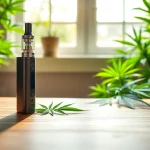
Vaping has risen in popularity as a method to consume cannabinoids efficiently. Products like vape pens and e-liquids allow for immediate absorption, making it a preferred choice for those seeking quick relief. Understanding the different vaping options and their mechanics is essential for safe consumption.
Determining the Right CBD Dosage
Finding the right cannabinoid dosage can vary significantly among individuals due to factors such as body weight, metabolism, and specific health needs. For beginners, starting with a low dose and gradually increasing it (the “start low and go slow” method) is often recommended. Consulting with a healthcare professional before beginning any CBD regimen is advisable, particularly when considering potential interactions with other medications.
Dosage Guidelines for Beginners Facing Different Needs
Beginners should determine their needs and consider starting dosages in the range of 5-10 mg of CBD per day, adjusting as required based on their body’s response. Intensity of symptoms and overall health should guide dosage adjustments.
Calculating Dosage: Factors to Consider
Key factors affecting CBD dosage include individual tolerance levels, the concentration of the CBD product, and the method of consumption. Using products with varying potencies can help users find their optimal dosage more effectively.
Titration: Finding Your Ideal CBD Level
Titration involves adjusting the dosage incrementally until the desired effects are achieved. This method promotes personalization of the CBD experience, ensuring that users can tailor their intake based on their unique body chemistry and health objectives.
Assessing Quality in CBD Products
Not all CBD products are created equal, which is why assessing quality through Certificates of Analysis (COAs) is vital when purchasing CBD or cannabinoid products. The COA provides insights into the product’s potency, purity, and whether it contains any harmful substances. Understanding how to read these lab reports will empower consumers to make informed decisions about the CBD products they choose.
Understanding Certificates of Analysis (COA)
Every reputable CBD brand provides a COA, outlining detailed testing results. It serves as proof of the product’s constituents, verifying claims about potency and safety.
Identifying Trusted Brands and Third-Party Testing
Brands that employ third-party testing for their products create an extra layer of trust and transparency. Consumers should seek out such brands to ensure they are obtaining genuine, quality supplements.
Legal Compliance and Regulations for 2026
The legal landscape surrounding CBD and cannabinoids is evolving, particularly after the 2018 Farm Bill, which legalized hemp-derived products containing less than 0.3% THC federally. Understanding state-specific regulations is crucial for compliance and responsible use, as laws can differ significantly across regions.
Safety and Side Effects of CBD Usage
While CBD is generally considered safe, potential side effects can occur. Individuals should be aware of their health and any medications they are taking, as CBD can interact with certain drugs. It’s advised to consult a healthcare provider before using CBD products, especially for those on blood thinners or seizure medications.
Potential Drug Interactions and Precautions
Common drug interactions may occur with medications that have a sedative effect or those metabolized in the liver. Users should always disclose their cannabinoid use to their healthcare providers to minimize risks.
Common Side Effects and Their Mitigation
Side effects from CBD may include dizziness, dry mouth, changes in appetite, or diarrhea. Staying hydrated and starting with lower doses may help mitigate these effects as users adjust to their cannabinoid regimen.
Storage Tips for Maintaining Quality and Shelf Life
Proper storage of CBD products is essential to maintain potency and efficacy. Products should be kept in a cool, dark place and sealed tightly to avoid degradation from light and moisture.
What are the main benefits of using CBD?
Main benefits include potential anxiety relief, enhanced sleep quality, reduced inflammation and chronic pain, as well as overall improved mental clarity and focus.
How do I choose the right CBD product for my needs?
Evaluating individual health goals, preferred consumption methods, and potency needs will help determine the most suitable products. Consulting brands with transparent lab results is also crucial.
What should I look for in a CBD product?
Consumers should check for COAs, third-party testing, and quality assurances, including certifications for purity and potency.
Are there any side effects associated with CBD?
Yes, while generally recognized as safe, it can cause side effects such as drowsiness, dry mouth, or gastrointestinal changes.
How is the legal status of cannabis evolving in 2026?
The legal status continues to evolve, with many states implementing legislation for medical and recreational use. Federal compliance still mandates products remain below the 0.3% THC threshold unless otherwise stated.