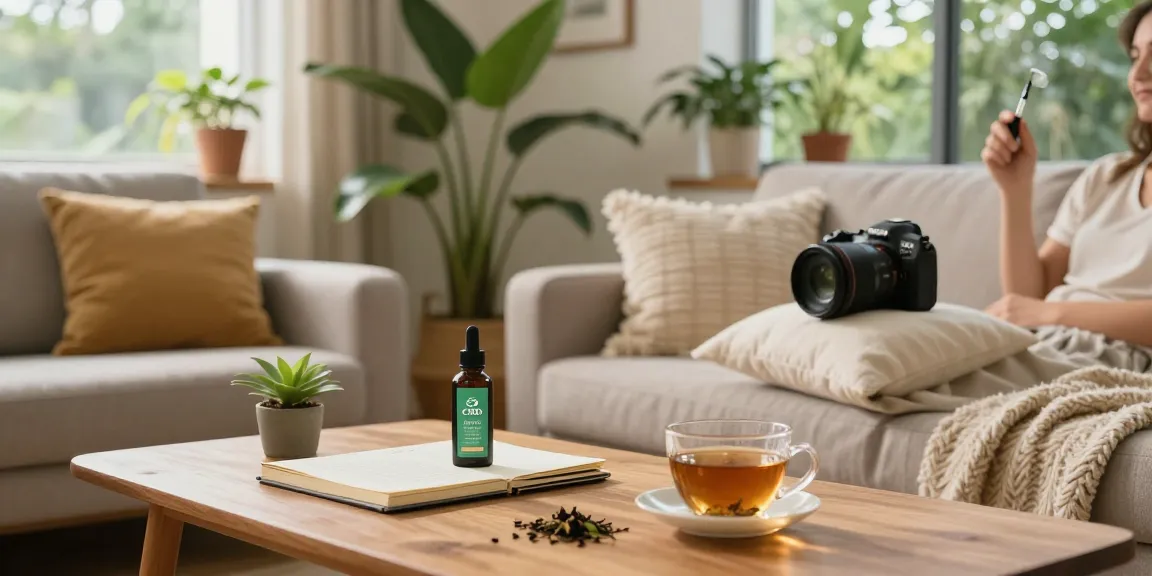
Understanding CBD and Its Health Benefits
In recent years, cannabidiol (CBD) has emerged as a powerful player in the wellness industry. This non-psychoactive compound found in cannabis offers numerous potential benefits, making it particularly attractive for those seeking natural remedies for various health issues. At Apex Weed Hub, a leading California online dispensary that ships to all states and worldwide, customers can access a wide variety of high-quality CBD products. Understanding how CBD works and its health benefits is essential for anyone looking to explore this therapeutic option.
What is CBD and How Does It Work?
CBD, or cannabidiol, is one of over 100 cannabinoids found in the cannabis plant. Unlike its more famous counterpart, THC (tetrahydrocannabinol), CBD is non-intoxicating, meaning it doesn't produce the "high" commonly associated with cannabis. CBD interacts with the endocannabinoid system (ECS), a complex network of receptors and compounds that help regulate many bodily functions such as sleep, mood, appetite, and immune response.
The ECS comprises two primary receptors: CB1 and CB2. While CB1 receptors are mainly located in the brain and central nervous system, CB2 receptors are predominantly found in peripheral tissues and immune cells. CBD’s interaction with these receptors can help maintain homeostasis within the body.
Health Benefits of CBD: What Research Tells Us
Research surrounding CBD is still evolving, but various studies point to potential therapeutic applications, including:
- Anxiety and Stress Management: Several studies have demonstrated that CBD may help reduce anxiety and enhance relaxation, making it a popular choice for stress relief.
- Pain and Inflammation Reduction: CBD’s anti-inflammatory properties may assist in managing chronic pain conditions such as arthritis and multiple sclerosis.
- Improved Sleep Quality: Many users report better sleep quality when using CBD, which may help mitigate insomnia and improve overall restfulness.
- Neuroprotective Properties: Early research suggests CBD may have neuroprotective effects, offering potential benefits for conditions like epilepsy and multiple sclerosis.
Therapeutic Applications of CBD Products
Innovative formulations of CBD products have expanded their therapeutic applications. From oils and tinctures to edibles and topicals, individuals can choose the method that best suits their needs:
- CBD Oils and Tinctures: These are liquid extracts that allow for flexible dosing and quick absorption through sublingual administration.
- Edibles and Gummies: Offering a fun and discreet way to consume CBD, edibles cater to those who prefer not to use oil or smoking products.
- Topicals and Creams: These products can be applied directly to the skin for targeted relief of pain and inflammation.
Types of CBD Products Available
Oils and Tinctures: The Basics of Use
CBD oils and tinctures are among the most popular forms of consumption. These products can be taken sublingually, allowing the CBD to be absorbed directly into the bloodstream. This method provides rapid effects compared to other forms such as edibles, which must undergo digestion first.
When choosing a CBD oil, factors to consider include extraction method, potency, and formulation. Products may range from full-spectrum to isolate, and understanding these differences is crucial for selecting the best product for individual needs.
Edibles and Gummies: Delicious and Effective Choices
Cannabidiol edibles, particularly gummies, are favored for their taste and ease of use. These products offer precise dosing, which can help consumers manage their intake effectively. However, it’s important to note that the effects of edibles may take longer to set in, usually around 30 minutes to 2 hours, depending on factors like metabolism and food intake.
Topicals and Creams: Targeted Relief Solutions
For localized discomfort, CBD topicals such as creams, balms, and patches are ideal choices. These products interact with cannabinoid receptors in the skin, providing relief from muscle soreness, joint pain, and skin conditions without entering the bloodstream.
How to Properly Dose Your CBD Products
Understanding Dosage Guidelines for Beginners
Finding the right dose of CBD can be a personalized journey. Beginners are often encouraged to start with a low dose, typically around 5-10 mg, and gradually increase it until they achieve the desired effects. The “start low and go slow” approach minimizes the risk of adverse effects.
Titration: Finding Your Ideal Dose
Titration is the process of adjusting the dose until the optimal effect is reached. This method is particularly useful for individuals who may have varying tolerance levels, depending on factors such as body weight, metabolism, and overall health.
Common Mistakes to Avoid When Dosing CBD
Common mistakes include:
- Starting with too high a dose.
- Not considering timing; some may benefit from taking CBD consistently at the same time each day.
- Neglecting to account for personal factors like diet or medications that may affect absorption.
Choosing Quality CBD: What to Look For
Importance of Third-Party Testing and COA
For safety and efficacy, it’s vital to choose CBD products that undergo third-party testing, which verifies potency and ensures there are no harmful contaminants. When purchasing, look for a Certificate of Analysis (COA) accompanying the product—this document provides a detailed report of laboratory tests performed on the product.
Understanding Cannabinoid Profiles and Potency
Cannabinoid profiles can vary greatly between products. Knowing whether a product is full-spectrum, broad-spectrum, or isolate helps consumers understand what cannabinoids, including THC and other beneficial compounds like terpenes, are present. Typically, full-spectrum products are preferred for their entourage effect, which may enhance the therapeutic benefits.
Recognizing Quality Brands: Industry Transparency
High-quality CBD brands prioritize transparency in sourcing, production methods, and testing. Consumers should look for brands that provide clear information about their farming practices, extraction techniques, and third-party lab results.
Legal Aspects of Buying CBD in 2026
Current Legal Status and Compliance in the USA
The Farm Bill, enacted in 2018, legalized hemp-derived CBD products with THC content of 0.3% or less on a federal level. However, state laws can vary, so it's crucial to remain informed about local cannabis laws and potential changes to regulations.
Understanding Different CBD Types: Full-Spectrum vs. Isolate
Full-spectrum CBD contains a wide range of cannabinoids, terpenes, and other beneficial compounds, providing a more holistic experience, while isolates are 99% pure CBD with no accompanying cannabinoids or terpenes. Each type offers unique advantages depending on individual needs and situations.
Staying Informed About Industry Changes and Regulations
With ongoing updates to cannabis regulations, consumers should regularly review credible sources of information to stay informed about changing laws and best practices in the industry.
What is the best way to choose an online dispensary?
Finding a reputable dispensary involves researching the brand's transparency, product quality, customer service, and user reviews. It's essential to trust a dispensary that provides comprehensive product information and prioritizes customer safety and satisfaction.
Can CBD interact with prescription medications?
Yes, CBD can interact with various prescription medications, particularly those processed by the liver's cytochrome P450 enzyme system. It’s crucial to consult a healthcare professional before beginning any new CBD regimen, particularly for those on multiple medications.
How is the quality of CBD products ensured?
Quality assurance is primarily achieved through rigorous testing by independent laboratories, adherence to good manufacturing practices (GMP), and transparent reporting of results.
Are there side effects associated with CBD use?
While generally well-tolerated, CBD can cause side effects in some individuals, such as drowsiness, dry mouth, and digestive changes. It’s advisable to start low and increase gradually, taking note of any adverse reactions.
What are the differences between THC and CBD?
THC (tetrahydrocannabinol) is the primary psychoactive cannabinoid in cannabis, known for producing a "high." In contrast, CBD is non-psychoactive and is sought largely for its therapeutic and wellness benefits without the intoxicating effects.
Health & Wellness Content
Potential Therapeutic Applications (Research-Backed)
Studies have demonstrated that CBD may help with:
- Anxiety and Stress Relief: CBD may lower anxiety levels and enhance mood through its interaction with serotonin receptors.
- Sleep Issues: CBD could help in improving sleep duration and quality, making it beneficial for those with insomnia or sleep apnea.
- Pain Management: CBD shows promise in alleviating pain, particularly related to inflammation and chronic conditions.
- Exercise Recovery: Athletes may benefit from CBD for its potential in reducing soreness and inflammation after workouts.
Explain the Endocannabinoid System (ECS) and How CBD Interacts with It
The endocannabinoid system plays a vital role in regulating a myriad of physiological processes, maintaining balance or homeostasis within the body. CBD engages with receptors within the ECS, but instead of binding directly, it influences other cannabinoids' effects, enhancing their benefits.
Address Bioavailability Differences Between Delivery Methods
Bioavailability refers to the degree and rate at which a substance is absorbed into the bloodstream. Different consumption methods offer varying bioavailability profiles. For example:
- Sublingual methods (oils/tinctures) have higher bioavailability than edibles due to direct absorption into the bloodstream.
- Inhalation (vaping) also offers high bioavailability, producing quicker effects than other methods.
- Edibles, while convenient, have lower bioavailability due to the digestive process.
Discuss Onset Time and Duration of Effects for Different Products
The onset time and duration of effects vary based on the product type:
- Oils and Tinctures: Typically take 15-30 minutes to kick in, lasting about 4-6 hours.
- Edibles: May take 30 minutes to 2 hours to take effect, lasting up to 8 hours or more.
- Topicals: Effects can vary based on the condition treated, generally providing localized relief.
Cover Proper Storage Methods to Maintain Potency
To ensure the potency and efficacy of CBD products, it’s essential to store them in a cool, dark place, away from humidity and heat. Most products should be kept sealed to prevent exposure to air, which can degrade cannabinoids over time.
Explain Shelf Life Considerations
CBD products typically have a shelf life of 1-2 years if stored correctly. Signs of spoilage include changes in color, odor, or texture. Always check the expiration date before use to ensure optimal potency.
Safety & Compliance
Include Mandatory FDA Disclaimers Throughout
As required by federal law, please note that "These statements have not been evaluated by the Food and Drug Administration. This product is not intended to diagnose, treat, cure, or prevent any disease." Always consult with a healthcare professional before using CBD products.
Address Potential Side Effects and Contraindications
CBD is generally well-tolerated, but potential side effects can include:
- Drowsiness
- Dry mouth
- Digestive changes
Additionally, individuals on medication, especially those with blood-thinning properties or metabolic interactions, should approach CBD use cautiously.
Drug Testing Concerns
While CBD itself is non-psychoactive, products containing full-spectrum extracts may contain trace amounts of THC that could trigger a positive result on drug tests. Users concerned about potential drug testing should opt for CBD isolate or broad-spectrum products, which are THC-free.
Age Restrictions and Responsible Use Messaging
CBD products are intended for adults aged 21 and over. It’s essential to consume responsibly, adhering to recommended dosages, especially for those entirely new to cannabinoid use.
Quality Control and Counterfeit Product Warnings
With the rise in CBD popularity, counterfeit products have emerged in the market. Consumers should look out for red flags such as lack of testing information, unverifiable claims, or brands that do not transparently disclose their sourcing or manufacturing practices.
Content Quality & Depth
This comprehensive overview of CBD offers evidence-based wellness information, practical examples, and actionable tips that readers can implement. Maintaining an educational tone, this article aims to equip consumers with the knowledge necessary to make informed decisions about their CBD use.
SEO Optimization
Naturally incorporating key terms like "California online dispensary that ships" and "CBD products" enhances the content's visibility and relevance. From dosage guidelines to product comparisons, the formatting facilitates mobile readability, ensuring accessibility for all users.