
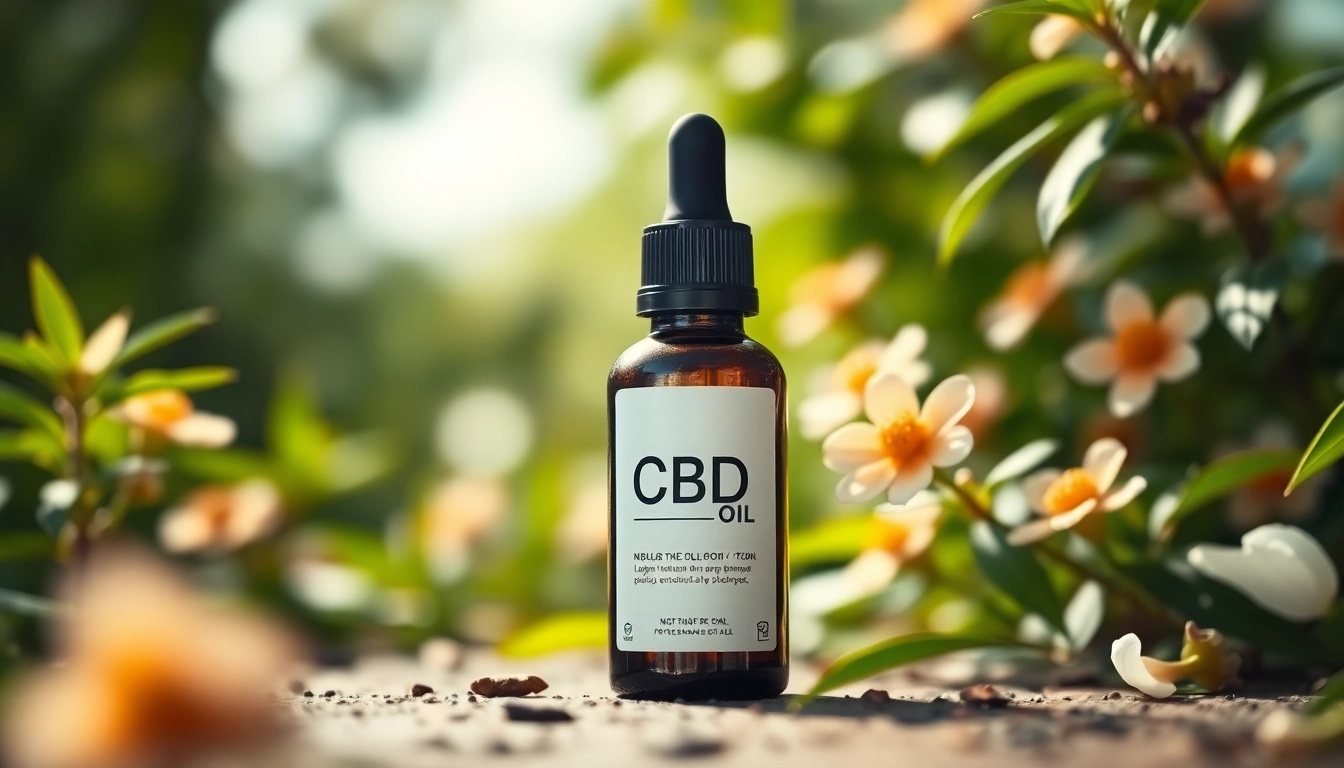
Understanding CBD Oil: The Basics
What is CBD Oil?
CBD Oil, short for cannabidiol oil, is a natural extract derived from the hemp plant, a variety of the cannabis sativa plant. Unlike its more famous counterpart, tetrahydrocannabinol (THC), CBD does not produce psychoactive effects, meaning it does not create the "high" commonly associated with marijuana. This non-intoxicating nature makes CBD Oil a popular choice for those seeking the potential therapeutic benefits of cannabis without the effects associated with THC. Many people turn to CBD Oil for various reasons, including anxiety relief, chronic pain management, and other health-related issues.
The Extraction Process of CBD Oil
The process of creating CBD Oil involves several methods of extraction, each varying in purity and efficacy. The primary extraction methods include:
- CO2 Extraction: This method uses carbon dioxide under high pressure and low temperatures to isolate cannabidiol from the plant. It is widely regarded as the most efficient and cleanest extraction method, preserving the compounds in their natural state.
- SOLVENT Extraction: This technique employs solvents like ethanol or butane to extract CBD. While effective, it can leave behind harmful residues if not done meticulously.
- OIL Infusion: A traditional method where hemp flowers are soaked in a carrier oil. Although it is a simpler process, it may not yield as concentrated a product as CO2 extraction.
Each extraction method has its own advantages and trade-offs, and the choice of extraction can significantly affect the quality and properties of the final CBD Oil product.
Types of CBD Oil Available
When searching for CBD Oil, consumers will often encounter several varieties, each differing in composition and effects:
- Full-Spectrum CBD: Contains all cannabinoids, terpenes, and other beneficial compounds found in the hemp plant, including trace amounts of THC (below 0.3%). This synergy often promotes what is known as the "entourage effect," enhancing the overall therapeutic benefits.
- Broad-Spectrum CBD: Similar to full-spectrum, but with the THC entirely removed. This option still provides multiple cannabinoids, contributing to the entourage effect without the risk of psychoactive effects.
- CBD Isolate: The purest form of CBD, containing 99% pure cannabidiol without any other cannabinoids or terpenes. This is ideal for individuals who want to try CBD without any other compounds.
Health Benefits of CBD Oil
Pain Relief and Management
One of the most widely recognized benefits of CBD Oil is its potential for pain relief. Scientific studies indicate that CBD may interact with the endocannabinoid system in the body, regulating pain and inflammation responses. Many users report significant improvements in chronic pain conditions, including arthritis and multiple sclerosis. Additionally, CBD Oil may serve as an alternative to traditional pain medications, which can have harmful side effects and addiction potential.
Reducing Anxiety and Stress
Anxiety and stress affect millions of people worldwide. Research suggests that CBD Oil may enhance serotonin levels in the brain, a neurotransmitter that plays a crucial role in mood regulation. As a result, many users have turned to CBD Oil to help manage their anxiety symptoms. In various clinical trials, CBD has shown promise in reducing social anxiety, as well as generalized anxiety disorder, providing patients with a natural alternative to pharmaceutical treatments.
Supporting Sleep and Relaxation
Getting a good night's sleep is vital for overall health and well-being. Many individuals grapple with insomnia and other sleep disorders. CBD Oil has gained attention for its potential to aid sleep quality and promote relaxation. Studies indicate that CBD may help decrease anxiety-induced insomnia and increase total sleep time without the side effects commonly associated with sleep medications, making it a favorable option for those seeking natural remedies.
How to Use CBD Oil Effectively
Dosage Guidelines and Recommendations
Determining the right dosage of CBD Oil can be challenging due to individual variabilities, including body weight, the condition being treated, and the concentration of the oil. It is generally recommended that new users start with a low dose of about 5-10 mg per day, gradually increasing the amount until they achieve the desired effects. Keeping a journal of dosages and effects can help refine and personalize an effective dosing schedule. Consulting a healthcare professional is advisable for those unfamiliar with CBD.
Methods of Consumption
CBD Oil can be consumed in various ways, enabling users to choose the most convenient and effective method for their lifestyle:
- Sublingual: Placing drops under the tongue for rapid absorption into the bloodstream.
- Topical: Applying CBD-infused creams or balms to target specific areas of discomfort or inflammation.
- Edibles: Incorporating CBD Oil into food or drinks for a delayed but sustained effect.
Combining CBD Oil with Other Treatments
Many users seek innovative ways to incorporate CBD Oil into their wellness routines. Combining CBD with other natural supplements, such as magnesium for relaxation or turmeric for inflammation, can enhance overall health benefits. Moreover, discussing with a healthcare provider about potential interactions between CBD and prescribed medications can ensure safe integration into existing health regimens.
Potential Side Effects and Considerations
Common Side Effects of CBD Oil
While CBD Oil is generally considered safe, some users may experience side effects. Commonly reported side effects include fatigue, diarrhea, and changes in appetite. It is essential for new users to monitor their body’s response closely. If significant discomfort occurs, adjusting the dose or method of consumption can help alleviate adverse reactions.
Interactions with Other Medications
CBD Oil can interact with several medications, particularly those processed by the liver. For instance, blood thinners may have heightened effects when combined with CBD. Therefore, it is essential for individuals taking medications to consult their healthcare providers before integrating CBD Oil into their routines. Awareness of possible interactions can provide a safer approach to using this supplement.
Choosing High-Quality CBD Oil Products
The market is saturated with CBD products, which can make it challenging to choose quality options. When selecting CBD Oil, consumers should look for third-party lab testing, which verifies the contents and ensures the absence of harmful contaminants. Transparency in sourcing, extraction methods, and ingredient lists are critical parameters that can help guide informed purchasing decisions. Reputable brands should provide access to Certificates of Analysis (COA) for their products.
The Future of CBD Oil
Emerging Research and Trends
The interest in CBD Oil continues to grow as new research emerges. Scientists are exploring its effectiveness in various conditions beyond pain and anxiety, including potential applications for neurodegenerative diseases and the treatment of substance abuse disorders. As regulatory frameworks evolve and research expands, CBD Oil's place within the medicinal landscape is likely to become clearer, paving the way for enhanced therapeutic applications.
Legal Considerations Surrounding CBD Oil
The legal status of CBD Oil varies widely across different countries and states. In many regions, CBD derived from hemp (containing less than 0.3% THC) is legal, while cannabis-derived CBD may be subject to stricter regulations. Staying informed about local laws and regulations is essential for consumers and businesses alike. Advocacy for clearer legislation continues, which may facilitate safer access to CBD products in the near future.
Personal Stories: Impact of CBD Oil on Lives
Many individuals have reported transformative experiences with CBD Oil, sharing personal stories ranging from alleviated chronic pain to improved mental health. These testimonials highlight the diverse impact of CBD on daily living. While individual results may vary, such narratives contribute to an increasing body of anecdotal evidence that continues to interest both researchers and consumers in the potential benefits of CBD Oil. Community forums and support groups often share these experiences, creating platforms for discussion and connection based on shared journeys toward wellness.