
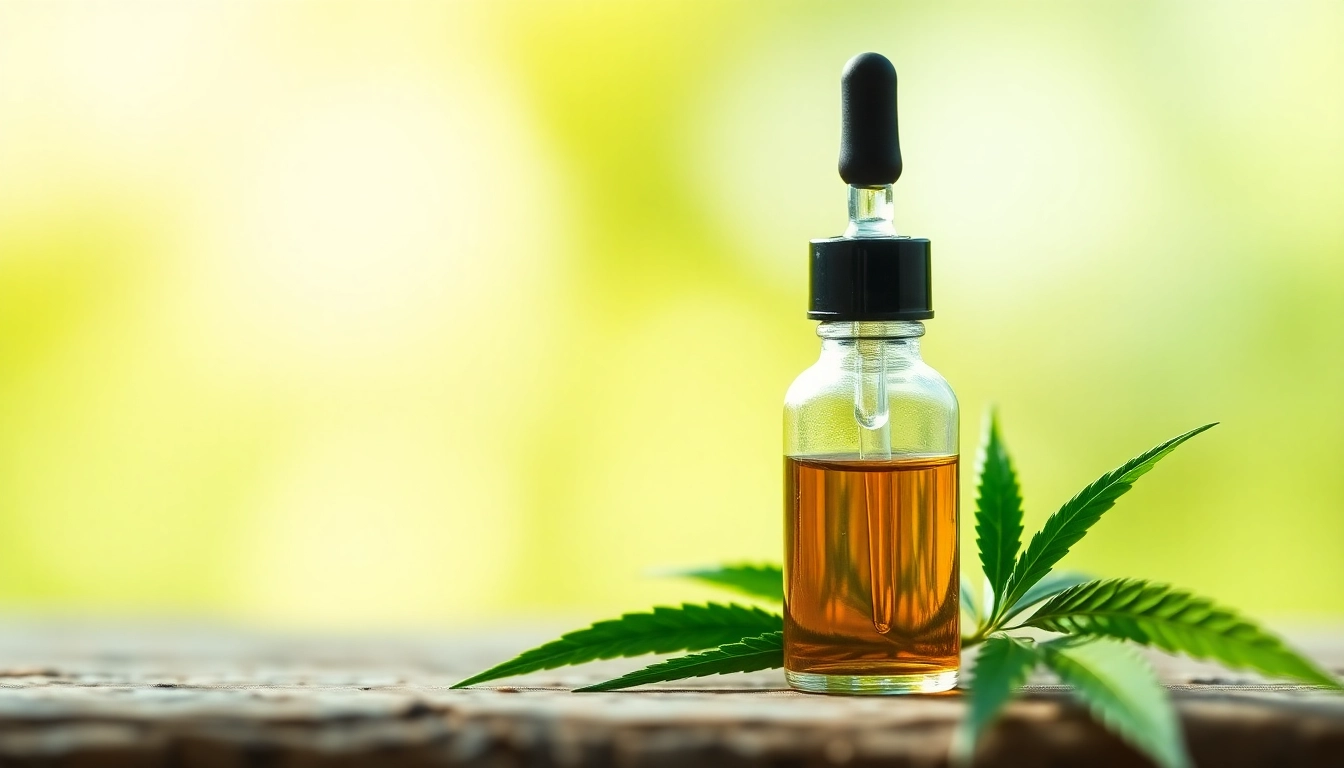
What is CBD and How Does it Work?
Cannabidiol, commonly known as CBD, is one of the many chemical compounds obtained from the Cannabis sativa plant. Unlike its more famous counterpart, THC (tetrahydrocannabinol), CBD is non-psychoactive, meaning it does not induce the "high" associated with marijuana use. This unique property makes CBD an appealing alternative for those seeking relief from various conditions without the intoxicating effects of THC.
The Science Behind CBD
Research into CBD is burgeoning, and scientists are uncovering its numerous potential therapeutic benefits. CBD interacts with the body through the endocannabinoid system (ECS), a complex cell-signaling system that plays a crucial role in regulating a variety of physiological processes, including pain, mood, appetite, and memory.
The ECS consists of endocannabinoids (cannabinoids naturally produced by the body), receptors (CB1 and CB2), and enzymes that break down endocannabinoids. CBD primarily interacts with the CB2 receptors, which are located predominantly in the immune system and peripheral tissues. By influencing these receptors, CBD may promote anti-inflammatory effects and modulation of immune responses.
Moreover, CBD may enhance anandamide levels in the brain, a neurotransmitter linked to the regulation of mood and pain perception. This interaction could help address conditions such as anxiety, depression, and chronic pain.
How CBD Interacts with the Body
Cannabidiol works on several fronts, contributing to homeostasis within the body. When CBD is consumed, it doesn’t bind directly to cannabinoid receptors but rather influences them through a more indirect process. This mechanism of action is thought to contribute to a broad spectrum of effects, including pain relief and anxiety reduction.
Additionally, CBD may affect various non-cannabinoid receptors, including serotonin, vanilloid, and glycine receptors, enhancing its potential therapeutic profile. The compound's ability to alter receptor activities could provide an opportunity for innovative treatment approaches to a wide range of medical conditions.
Forms of CBD Available
CBD is available in multiple forms, each with unique properties and methods of consumption. Some popular forms include:
- Oils and Tinctures: These are concentrated forms of CBD that are taken sublingually (under the tongue) for fast absorption.
- Edibles: CBD-infused foods and beverages provide a discreet and tasty way to consume CBD, though effects may take longer to set in.
- Capsules: Ideal for those who prefer precise dosing, capsules offer a straightforward method of consumption.
- Topicals: Creams, balms, and lotions infused with CBD are applied directly to the skin for localized relief, often used for muscle soreness and skin conditions.
- Vapes: Vaping delivers CBD directly into the bloodstream via the lungs, allowing for rapid effects.
Potential Benefits of CBD
The potential health benefits of CBD have sparked interest not only among researchers but also among those seeking alternative therapeutic options. Numerous studies and anecdotal evidence suggest various applications for CBD in health and wellness.
Relief from Anxiety and Stress
One of the most well-documented benefits of CBD is its potential for alleviating anxiety and stress. Research has indicated that CBD may help reduce the symptoms of various anxiety disorders, including social anxiety disorder, generalized anxiety disorder, and post-traumatic stress disorder (PTSD).
In clinical studies, participants reported significant reductions in anxiety levels after taking CBD. The compound's calming effects are thought to be linked to its interaction with serotonin receptors, which play a pivotal role in mood regulation. As a result, many individuals are incorporating CBD into their daily routines to promote a sense of calm and relaxation.
Innovative Uses for Pain Management
Cannabidiol's analgesic properties have gained attention for their potential to serve as an alternative to traditional pain management methods. Whether addressing chronic pain conditions like arthritis or temporary pain following surgery, CBD offers a non-opioid option that may mitigate discomfort without the risk of addiction or severe side effects associated with conventional pain relievers.
Studies have demonstrated that CBD may have anti-inflammatory effects, which could contribute to its efficacy in managing pain. By addressing both inflammation and pain signaling, CBD represents a promising therapeutic avenue for a diverse array of pain-related conditions.
Supporting General Wellness
Beyond targeted relief for specific conditions, CBD is increasingly recognized for its role in promoting overall wellness. Its antioxidant and anti-inflammatory properties position it as a beneficial supplement in daily health routines. Some potential wellness benefits include:
- Enhancing sleep quality for those struggling with sleep disorders
- Supporting cardiovascular health by interacting with receptors that regulate heart function
- Promoting skin health through its anti-inflammatory properties, making it beneficial for acne and other skin conditions
Safety and Side Effects of CBD
While numerous studies indicate that CBD is well-tolerated by most individuals, it’s essential to consider potential side effects and contraindications. As with any supplement, understanding safety is crucial for effective use.
Understanding Possible Side Effects
Some individuals may experience mild side effects from CBD use, including:
- Dry mouth
- Drowsiness
- Diarrhea
- Reduced appetite
- Fatigue
These effects are generally mild and transient, but it is vital to consult with a healthcare professional, particularly for individuals with pre-existing conditions or those taking other medications.
CBD Interaction with Other Medications
CBD may interact with various medications, notably those that have a "grapefruit warning." Because CBD can inhibit the cytochrome P450 enzyme system that processes many medications, it is crucial for patients to discuss their CBD use with their healthcare provider to avoid potential adverse interactions.
Consulting Healthcare Professionals
Before incorporating CBD into any health regimen, a consultation with a qualified healthcare provider is recommended. This step ensures that any use of CBD is safe and tailored to the individual's health needs, along with regular monitoring for effectiveness and any potential side effects.
How to Choose High-Quality CBD Products
With an ever-growing market comes the challenge of selecting safe and effective CBD products. Knowing how to identify high-quality options can ensure that consumers receive the most benefits from their CBD regimen.
Identifying Trusted Sources
When looking for CBD products, sourcing from reputable manufacturers is crucial. Quality companies often provide transparency regarding their sourcing, manufacturing processes, and the quality of the hemp used in their products. Look for brands that prioritize sustainable, organic farming practices and offer third-party lab test results for their products to verify purity and potency.
What to Look for in Labels and Certifications
Understanding product labels is vital for informed purchasing. Consumers should look for:
- Ingredient lists: Check for clarity on all ingredients, avoiding products with unknown additives.
- Concentration: Knowing the amount of CBD per serving will aid in proper dosing.
- Source of hemp: This information highlights the quality of the product. Organic sources are generally preferable.
- Certification: Third-party lab testing is a gold standard for transparency and reliability.
Understanding Product Potency
Product potency refers to the concentration of CBD present. It can vary widely among products. Consumers should consider their individual needs, as higher potencies may be necessary for medical conditions, whereas lower potencies may be sufficient for general wellness. A gradual increase in dose allows users to determine the most effective potency for their needs.
Integrating CBD into Your Lifestyle
For numerous individuals, seamlessly incorporating CBD into their daily routines is a straightforward endeavor. However, understanding how to effectively use CBD can enhance its benefits and optimize overall health and wellness.
Dosage Guidelines
Finding the correct dosage of CBD can vary significantly based on individual factors such as body weight, metabolism, and the specific health condition being addressed. It is often recommended to start with a low dose and gradually increase until the desired effects are achieved. Many users find success in maintaining a consistent schedule for administration to monitor efficacy over time.
Usage in Daily Routines
Integrating CBD into daily life can be as simple as adding it to morning routines. Options include taking CBD oil sublingually with breakfast, incorporating it into coffee or smoothies, or using topical products after exercise to aid recovery. Determining the best time and method for consumption may take some experimentation.
Real-Life User Experiences
Consumer testimonials have highlighted a variety of positive experiences with CBD. Individuals report improvements in anxiety, sleep issues, and chronic pain management. Engaging with community forums and support groups can also provide additional insights and encouragement through shared experiences. Real-life accounts can often inspire and inform one’s own journey with CBD.