
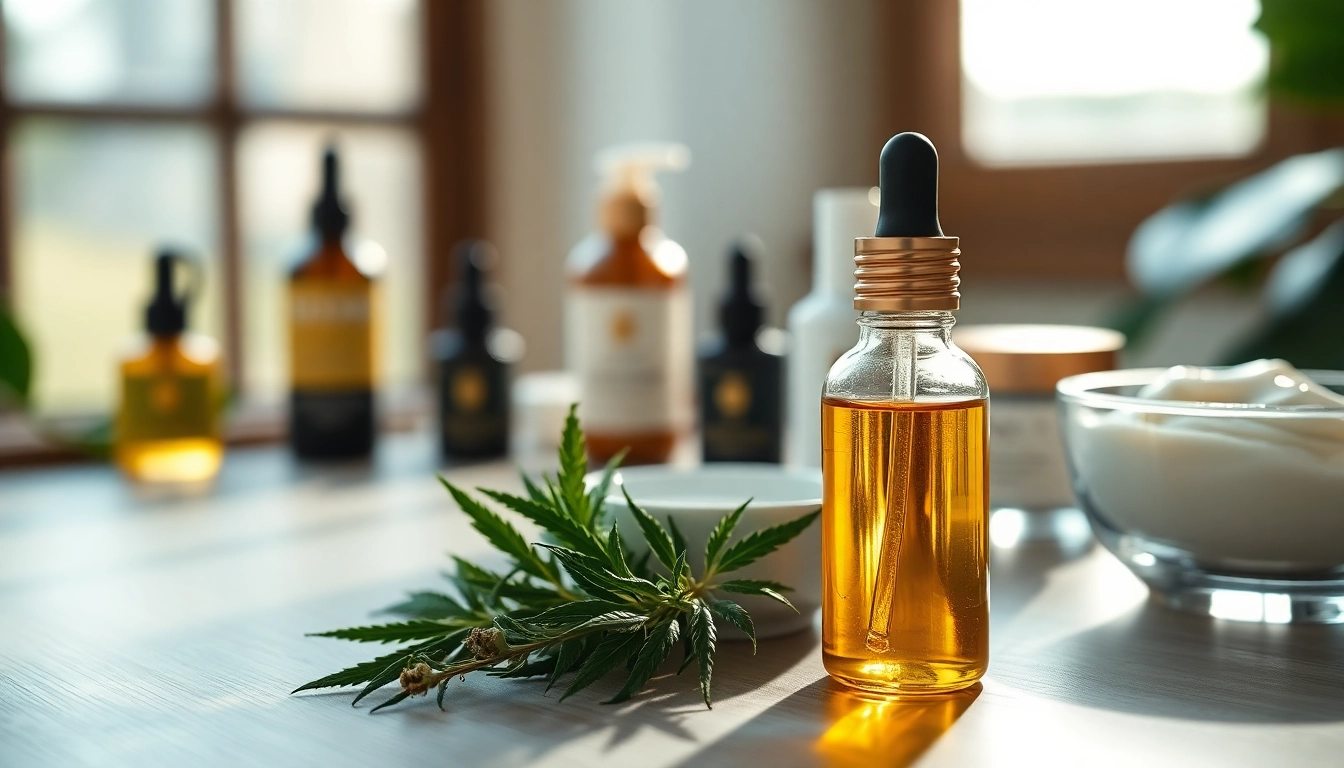
Understanding CBD Oil for Skin
What is CBD Oil?
CBD oil, short for cannabidiol oil, is derived from the hemp plant, which is a member of the cannabis family. This oil is extracted from the plant’s flowers, leaves, and stalk, resulting in a product that is rich in cannabidiol. Unlike its more famous counterpart, THC (tetrahydrocannabinol), CBD is non-psychoactive, meaning it doesn't produce a high. Instead, it interacts with the body's endocannabinoid system to promote balance and homeostasis.
With the rise of the wellness movement, CBD oil has gained significant traction in various health and cosmetic products, including those aimed at skin health. For those interested in exploring the benefits of CBD oil for skin, it is essential to understand its unique properties and applications.
The Chemistry of CBD and its Effects on Skin
The active compounds in CBD oil, primarily cannabinoids, have anti-inflammatory and antioxidant properties. These compounds work by interacting with the body’s receptors, particularly CB1 and CB2 receptors which are part of the endocannabinoid system. This interaction influences multiple biological processes, including pain sensation, immune response, and skin health.
Research has shown that CBD may help reduce inflammation, which is often a precursor to various skin conditions such as acne, rosacea, and eczema. Moreover, CBD possesses antioxidant properties that protect the skin from environmental stressors, aiding in the prevention of premature aging.
Common Ingredients in CBD Oil for Skin Products
Most CBD oil for skin products contain not just CBD but a blend of other natural ingredients aimed at boosting skin health. Common ingredients include:
- Carrier Oils: These oils like jojoba, coconut, or hemp seed oil help facilitate the absorption of CBD into the skin.
- Essential Oils: Many products incorporate essential oils such as lavender or tea tree oil for added therapeutic benefits and fragrance.
- Vitamins: Vitamins A, C, and E are frequently included for their antioxidant properties, which contribute to skin health and rejuvenation.
- Natural Extracts: Botanical extracts, such as aloe vera and chamomile, provide additional soothing and hydrating properties.
Benefits of CBD Oil for Skin Health
Anti-Inflammatory Properties
One of the standout features of CBD oil is its anti-inflammatory properties. Inflammation can lead to various skin conditions, such as psoriasis and eczema, and CBD has been shown to mitigate inflammation effectively. This is significant for those who suffer from chronic skin issues that stem from inflammation.
A study published in a reputable journal highlighted that CBD has the ability to inhibit the production of inflammatory cytokines. By blocking these pro-inflammatory pathways, CBD can help reduce redness, swelling, and discomfort.
Hydration and Moisture Retention
Another benefit of CBD oil for skin is its ability to enhance hydration. Many people suffer from dry, flaky skin, a condition that can result from environmental factors and aging. CBD can help in retaining moisture in the skin by improving the skin barrier function. When the skin barrier is intact and functioning properly, it can prevent moisture loss.
CBD oil also has humectant properties, meaning it can draw moisture from the air into the skin. This is especially helpful for those living in dry climates or experiencing seasonal changes that lead to drier skin.
Potential Treatment for Skin Conditions
Research suggests that CBD oil may be beneficial for treating a variety of skin conditions:
- Acne: By regulating sebum production and its anti-inflammatory properties, CBD may help reduce acne outbreaks, which are often exacerbated by excess oil and inflammation.
- Eczema: CBD's soothing properties can relieve itching and redness associated with eczema, making it a potentially valuable addition to standard treatments.
- Psoriasis: Preliminary studies suggest that CBD can inhibit skin cell growth, which is beneficial for individuals with psoriasis, a condition characterized by rapid skin cell turnover.
- Rosacea: The anti-inflammatory effects of CBD may help reduce the redness and visible blood vessels typical in rosacea.
How to Choose the Right CBD Oil for Skin
Identifying Quality CBD Products
When selecting a CBD oil product for skin care, quality is paramount. Look for products made from organically grown hemp, as this ensures the absence of harmful pesticides and herbicides. Additionally, third-party lab testing is crucial; reputable brands provide certificates of analysis (COA) that confirm the potency and purity of their products.
Understanding Different Formulations
CBD products come in various formulations, including oils, creams, balms, and serums. Each formulation serves different purposes:
- Oils: Ideal for targeted treatments. They can be used on specific areas needing relief or hydration.
- Creams and Lotions: Best for general skin care routine application, providing hydration and nourishment.
- Balms: Effective for localized problems, such as joint pain or extreme dryness.
- Serums: Typically contain higher concentrations of CBD and are designed for quick absorption and intensive treatment.
Reading Product Labels Effectively
Understanding product labels can help you make informed choices. Here's what to look out for:
- CBD Concentration: This is measured in milligrams (mg). Higher concentrations are typically more effective for treating specific issues.
- Full-Spectrum vs. Broad-Spectrum vs. Isolate: Full-spectrum products contain all cannabinoids, including trace amounts of THC. Broad-spectrum also contains various cannabinoids but excludes THC. Isolates contain 99% pure CBD. Choose according to your preferences and tolerance.
Best Practices for Using CBD Oil for Skin
Application Techniques and Frequency
Applying CBD oil effectively can enhance its benefits. Here are some best practices:
- Patch Test: Always conduct a patch test before applying CBD oil to a larger area to check for any allergic reactions.
- Clean Skin: Ensure the skin is clean before application for optimal absorption.
- Moderation: Start with a small amount and increase as needed. It’s better to add gradually than to over-apply initially.
- Frequency: Apply daily for ongoing skin conditions; however, adjustments can be made depending on skin sensitivity and reaction.
Integrating CBD Oil into Your Skincare Routine
For best results, integrate CBD oil seamlessly into your existing skincare routine. Use it after cleansing and before moisturizing. If using a serum, apply it first, followed by any creams or lotions that can lock in hydration and enhance the skincare benefits.
Consider pairing your CBD products with other skincare products that complement its effects, such as hyaluronic acid for additional hydration or retinol for anti-aging benefits.
Potential Side Effects to Watch For
While CBD is generally well-tolerated, some individuals may experience side effects. These can include:
- Dry mouth
- Fatigue
- Changes in appetite
- Skin irritation
If you encounter any adverse reactions, discontinue use and consult with a dermatologist or healthcare professional.
The Future of CBD Oil for Skin in Skincare
Emerging Research and Trends
The research on CBD oil continues to evolve, with emerging studies focusing on its effects on aging skin, its potential to heal minor wounds, and its applications in targeted therapies. As evidence mounts, we may see more tailored skincare formulations designed for specific skin issues.
Innovation in Product Development
Skincare brands are continuously innovating their formulations to maximize the benefits of CBD. Strategies may include the encapsulation of CBD in nanotechnology to enhance absorption or pairing CBD with other active ingredients for synergistic effects. This innovation is likely to make CBD oil an integral part of future skincare regimens.
Consumer Awareness and Education
As the market for CBD expands, consumer education will be vital. Understanding the benefits, proper application, and potential side effects will empower consumers to make informed choices in their skincare purchases. This awareness can also mitigate misinformation that often surrounds cannabis-derived products.